

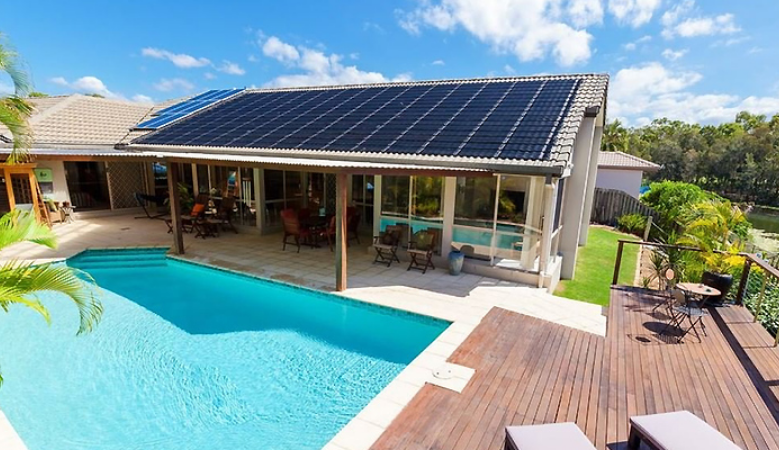
How to Prevent Solar Panel Damage to Your Roof
Installing solar panels can be an excellent way to improve energy reliability and reduce dependence on conventional electricity sources. However, a solar installation should never compromise the condition of the roof supporting it. Poor installation methods, incorrect mounting, inadequate waterproofing or unsuitable equipment can create problems that could have been avoided with proper planning.
Before installing a rooftop system, the condition of the roof should be assessed carefully. Existing leaks, damaged roofing materials, weak sections or structural concerns should be identified before mounting equipment is added. Installing solar equipment over an already deteriorating roof can make future repairs more complicated and may require panels to be removed before roofing work can be completed.
For property owners considering a new system, our Solar Installations service covers solutions designed around the property’s actual energy requirements, available installation space and supporting equipment.
Use the Correct Solar Panel Mounting System
The mounting system is one of the most important parts of a rooftop solar installation. Solar panels should be secured using mounting equipment appropriate for the particular roof type and structure.
Incorrectly positioned brackets, excessive drilling or unsuitable fasteners can potentially damage roofing materials and create points where water can enter. Professional installers should determine suitable mounting locations and ensure that necessary roof penetrations are appropriately protected against rain and moisture.
The U.S. Department of Energy’s Homeowner’s Guide to Going Solar provides additional information for property owners considering rooftop solar systems.
Protect the Roof Against Water Leaks
Any point where mounting equipment penetrates a roof requires careful attention to waterproofing. Even a small opening that is not properly protected can eventually allow moisture into the roofing structure.
Appropriate flashing, seals and weather-resistant installation methods help protect vulnerable areas. These components should also be inspected periodically because continued exposure to sun, rain and changing weather conditions can gradually affect roofing and sealing materials.
This is one reason preventative maintenance should continue after installation. Private Power’s Maintenance and Support service includes inspection, preventative maintenance, fault assessment and technical support for relevant solar and electrical systems.
Allow Proper Space Around the Solar Panels
Solar panels should not simply be placed against the roof surface without considering clearance, ventilation, drainage and maintenance access.
A well-planned mounting arrangement allows suitable airflow around the panels while providing space for water drainage and future inspection. Correct positioning can also reduce areas where leaves, dirt and other debris may accumulate.
The layout should therefore consider more than simply fitting the maximum possible number of panels onto the available roof.
For broader information about solar photovoltaic technology and renewable energy deployment, the International Renewable Energy Agency (IRENA) provides research and resources covering solar energy internationally.
Inspect Your Solar Installation Regularly
A solar installation continues to experience environmental exposure long after installation. Wind, rain, dust, heat and debris can affect panels, mounting components, electrical connections and surrounding roofing materials over time.
Periodic inspections can help identify loose mounting hardware, damaged components, deteriorating seals, cable problems or other issues requiring attention. Finding these problems early can help reduce the possibility of more extensive repairs later.
Property owners should also avoid attempting potentially dangerous rooftop or electrical repairs without suitable equipment, training and technical knowledge.
Professional Solar Installation Helps Protect Your Property
A properly planned solar energy system should provide dependable power without unnecessarily compromising the property supporting it. Achieving that requires careful system design, appropriate mounting equipment, suitable installation techniques and ongoing maintenance.
Private Power provides solar installations alongside a wider range of energy and infrastructure services for residential, commercial, agricultural and industrial applications.
Our approach considers the property’s energy requirements, available installation space, equipment requirements and existing infrastructure before determining an appropriate solution.
If you’re planning a new solar installation or need an existing system inspected, contact Private Power to discuss your requirements.
Private Power
7 Telford Rd, Graniteside
+263 77 231 4268
info@privatepower.com